
The history of hearing aids shows how far human ingenuity can go. Long ago, people relied on simple ear trumpets to hear better. Today, however, hearing aid technology includes smart, discreet devices that adapt to your surroundings. Let’s look at how hearing aids have evolved and what’s new.
From Ear Trumpets to Digital Devices
Early hearing devices were bulky and basic. They simply made sounds louder. Later, electronic hearing aids arrived and improved the experience. Then digital technology changed everything. As a result, hearing aids became smaller, smarter, and more comfortable to wear.
Latest Hearing Aid Technology
In recent years, hearing aid technology has taken major leaps forward. Consequently, users now enjoy better features and greater convenience. Here are the key innovations.
- Digital Sound Processing: Modern hearing aids use advanced digital processing to separate speech from background noise. As a result, sound feels clearer and more natural.
- Wireless Connectivity: Many hearing aids now connect to smartphones and other devices. Therefore, you can take hands-free calls, stream audio, and adjust settings through a mobile app.
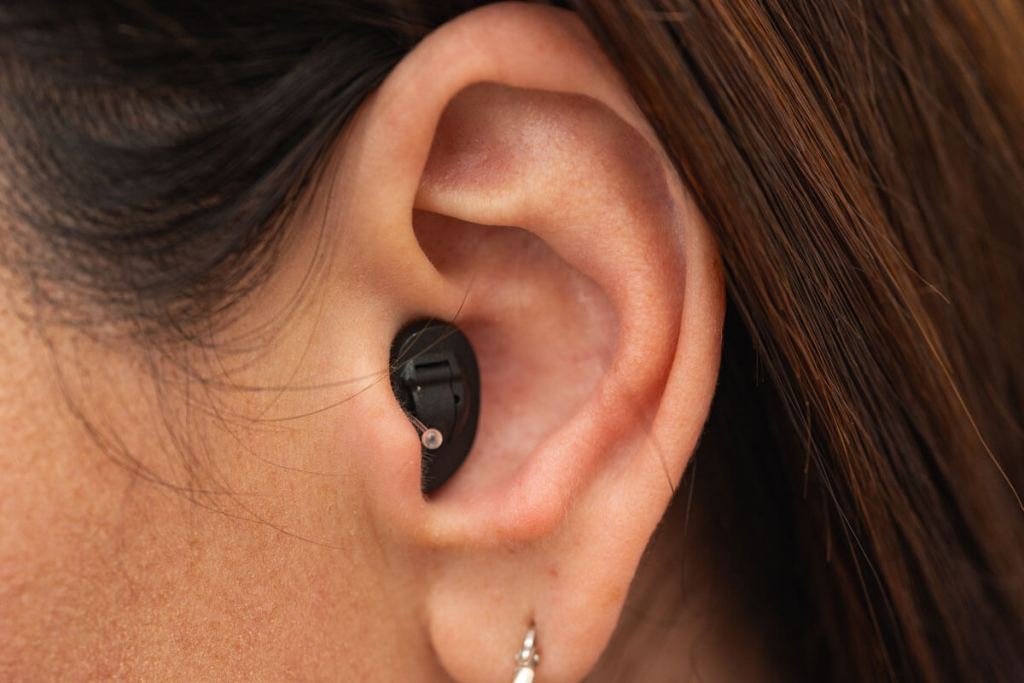
- Smaller and Discreet Designs: Thanks to miniaturization, hearing aids are smaller than ever. In fact, some models are nearly invisible when worn.
- Rechargeable Batteries: Rechargeable hearing aids have become very popular. Because of this, you no longer need to replace batteries often.

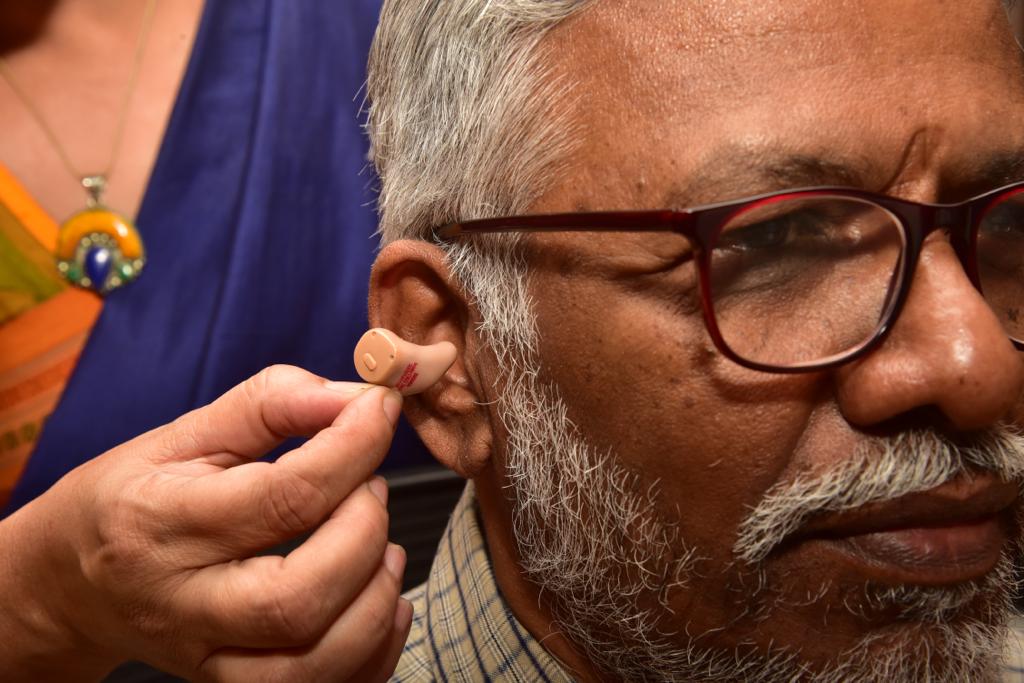
- Personalized Hearing Solutions: Today’s devices can be tuned to your individual needs. This helps you reconnect with life’s important sounds.
- Artificial Intelligence (AI): AI-driven hearing aids adapt to different listening environments. Moreover, they learn your preferences over time.
- Tinnitus Management: Some hearing aids offer tinnitus masking or relief features. These can help you manage your symptoms.
- Water and Dust Resistance: Many models now resist moisture and dust. Consequently, they are more durable in daily use.
Personalized hearing solutions that help you reconnect with life’s important sounds.
Finding the Right Hearing Aid for You
Understanding these innovations is essential when you are choosing a hearing solution. However, every person’s hearing needs are different. For this reason, a professional assessment matters. To explore the latest technology options, consult Shreya Hearing Clinic and find the best fit for your needs.
Frequently Asked Questions
1. How have hearing aids evolved over the years?
Hearing aids began as simple ear trumpets. Later, electronic and then digital devices arrived. Modern hearing aids are smaller and smarter. In addition, they connect to smartphones and adapt to different sound environments.
2. What is the latest technology in hearing aids?
The latest hearing aid technology includes AI-driven sound adjustment, Bluetooth connectivity, and rechargeable batteries. Furthermore, many models offer tinnitus support and water and dust resistance.
3. Are digital hearing aids better than analog ones?
Generally, yes. Digital hearing aids process sound more precisely. Therefore, they can separate speech from background noise and can be programmed to your hearing loss.
4. Can hearing aids connect to my smartphone?
Yes, many modern hearing aids support Bluetooth. Consequently, you can take calls, stream music, and adjust settings through a mobile app. Compatibility varies by model, so check with your audiologist.
5. Are rechargeable hearing aids worth it?
For most users, yes. They remove the need to buy and replace small batteries. In addition, they are convenient for people with limited dexterity. A single charge usually lasts a full day, though this varies by model.
6. Are there invisible hearing aids?
Yes. Some devices sit deep in the ear canal, so they are barely noticeable. However, they are not suitable for every type of hearing loss. An audiologist can tell you which style suits you.
7. How do I know which hearing aid is right for me?
Start with a professional hearing test. Then, your audiologist will consider your hearing loss, lifestyle, and budget. Finally, you can try the recommended options before deciding.
Conclusion
Hearing aids have come a long way. Early ear trumpets only made sounds louder. Today, however, digital processing, AI, and wireless connectivity make hearing easier and more natural. Moreover, rechargeable batteries and discreet designs fit comfortably into daily life. As a result, more people can stay connected to the sounds that matter. Ultimately, the best hearing aid is the one that suits your hearing needs, lifestyle, and budget.
Ready to Experience the Latest Hearing Aid Technology?
Don’t let hearing loss keep you from conversations and moments you love. At Shreya Hearing Clinics, our audiologists will assess your hearing and explain your options clearly. They will also help you find a device that fits your needs.


